


What is the AI Polaroid Generator?
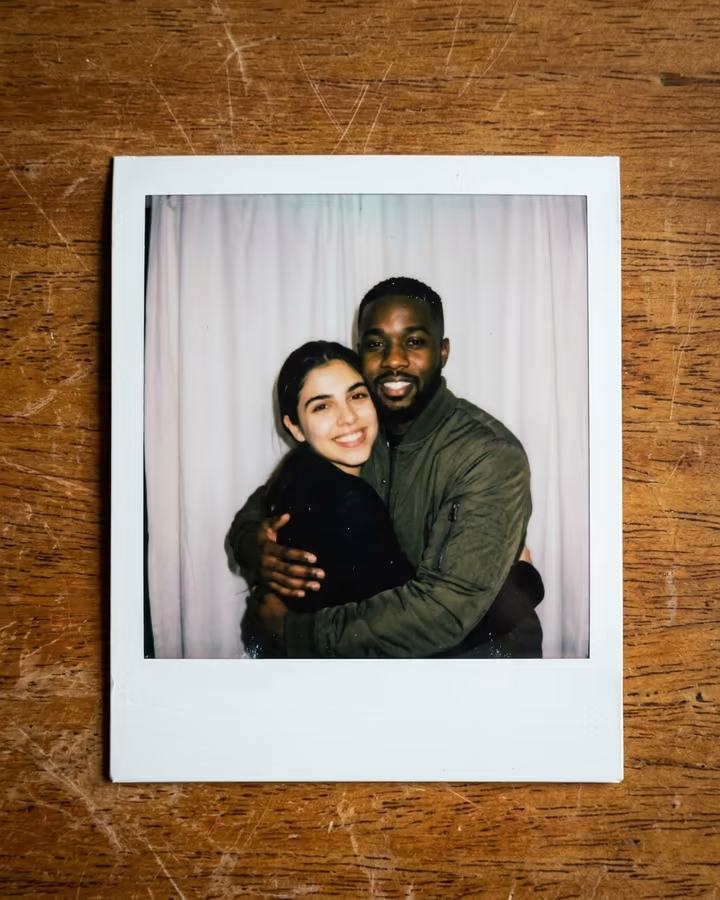
The AI Polaroid generator takes two separate photos and turns them into one instant-film print: the two people hugging in front of a plain white curtain, lit by a harsh on-camera flash, framed by the thick white border that makes a Polaroid instantly recognizable. The print is shown lying on a wooden table, so the result reads as a physical photo someone found in a drawer rather than a filter.
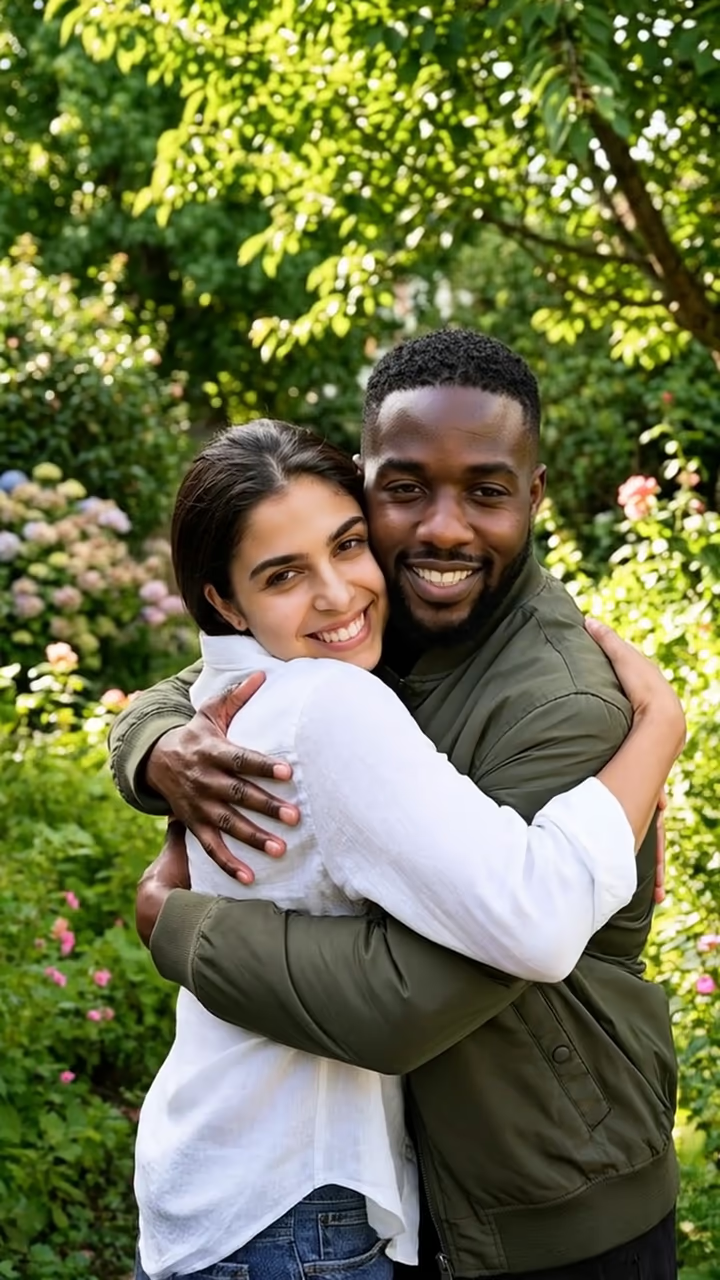
The look comes from a trend that spread across Instagram and TikTok in 2025, shortly after Google's Gemini image model (nicknamed Nano Banana) made it easy to merge people from different photos. The most shared version was emotional: people uploaded a current selfie next to a childhood picture and asked for a Polaroid of their adult self hugging their younger self. Others used it to put themselves next to a partner who lives far away, a friend they had lost touch with, or a parent from an old family photo.
This page runs that same idea as a one-step template, so you don't have to write or tweak a prompt. Upload your photo, upload the second one, and the generator handles pose, flash, grain and frame. Faces are kept as close to the originals as the model allows, and the soft blur and warm color cast of real instant film help hide the small differences in lighting between the two source photos. Old Polaroid used to be the photo you took at a party and stuck on the fridge. This version gives you the same feeling for two people who may never have stood in the same room.
Why the Polaroid frame works so well
A Polaroid is forgiving in a way a clean studio portrait is not. On-camera flash flattens light, film grain softens skin, and the slight blur of an instant camera hides the seams that usually give away a composite. That is why the trend took off with merged photos: the format makes two people from different years and cameras look like they were caught in the same second.
The white curtain backdrop is deliberate too. A plain background gives the model nothing to mismatch, so attention stays on the hug and the faces. Showing the print on a wooden table adds one more layer of realism, because you are looking at an object instead of a screen.
Choosing the second photo
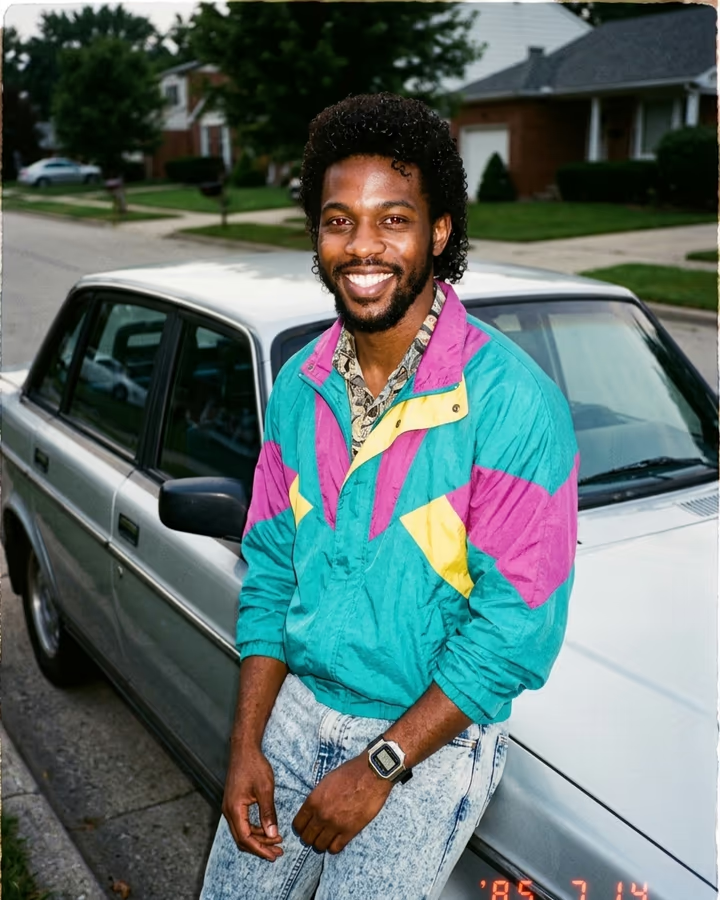
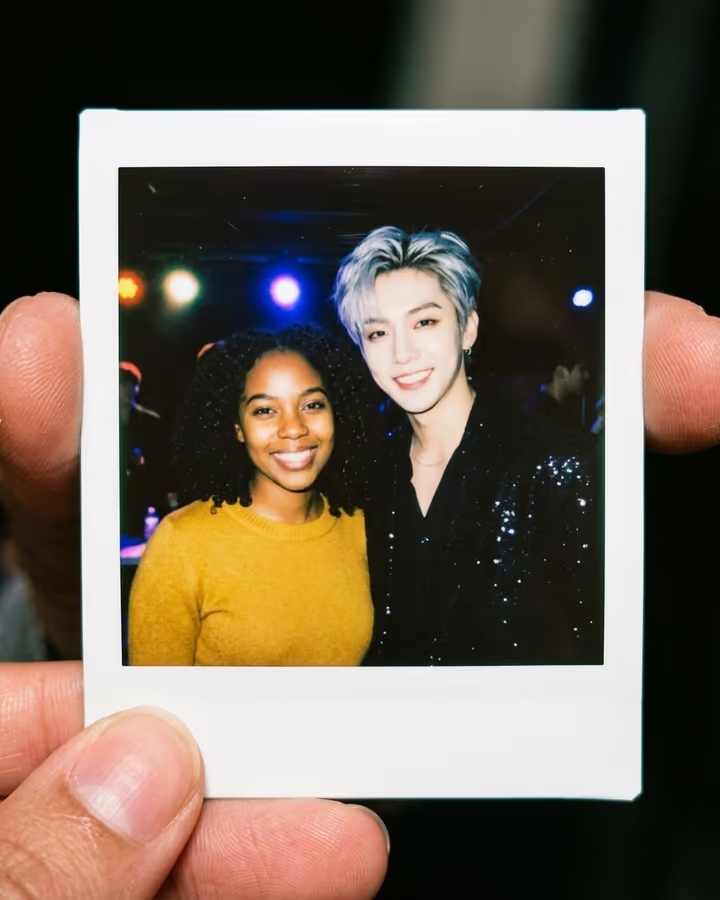
The second photo decides the story. A childhood picture creates the hug-your-younger-self version, which tends to be the most personal. A partner or friend's photo gives you a couple or best-friend Polaroid. A parent or grandparent from an old print can create a family moment that never got photographed.
Whatever you choose, use a photo you have the right to use, and only of people who would be fine with it. If the second photo is very old or low resolution, the result will still work, but the face may look slightly softer than yours, which actually suits the instant-film style.