
What is the AI Kissing Generator?
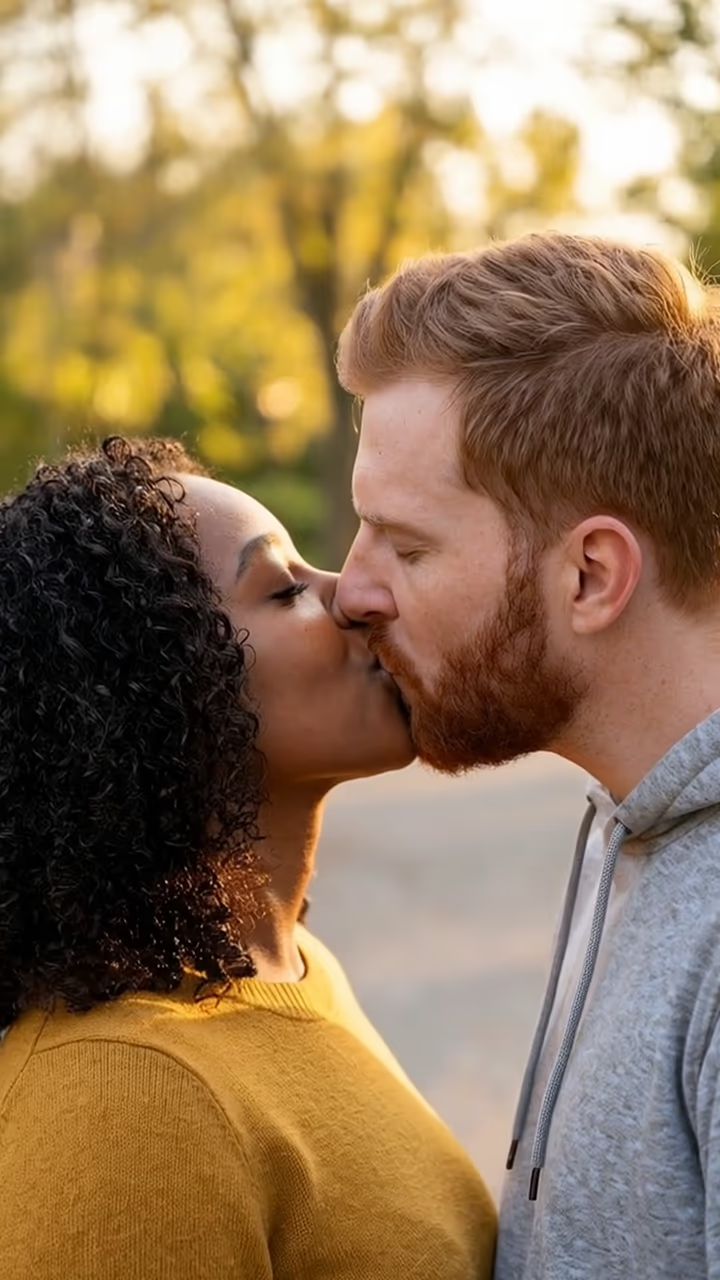
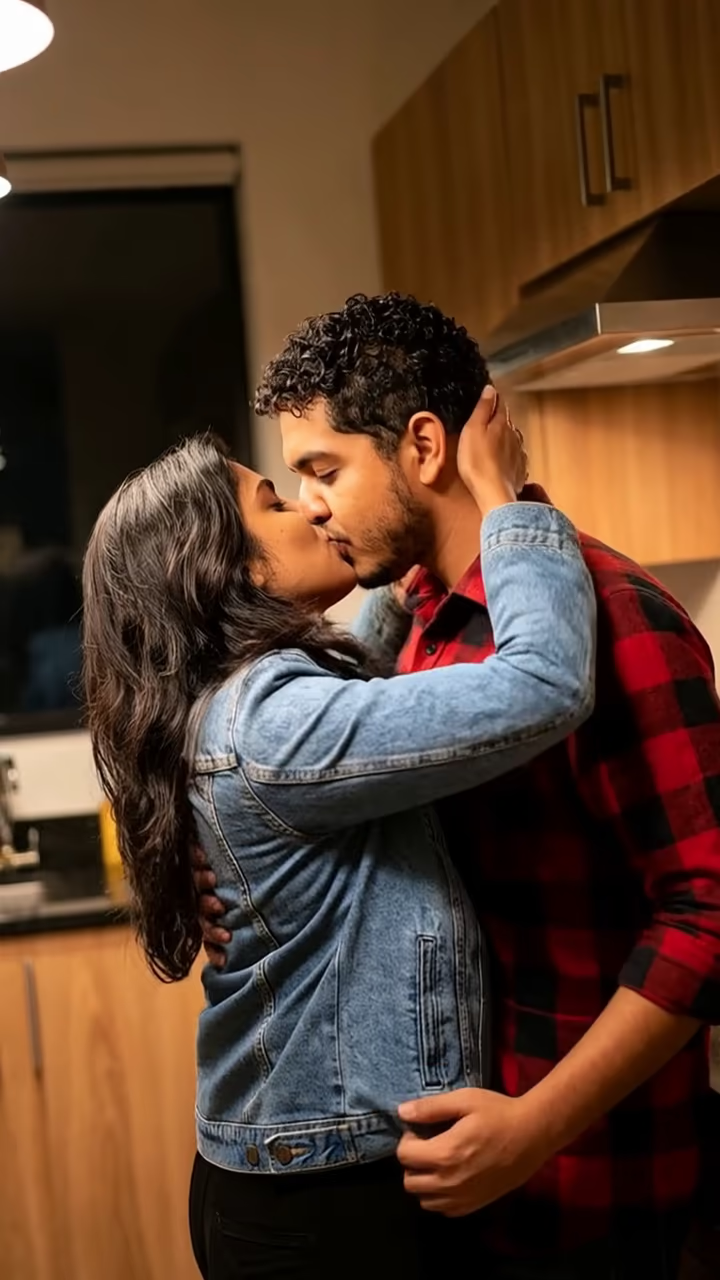
The AI kissing generator takes two ordinary photos, one of you and one of your partner, and turns them into a short video where the two of you lean in and kiss. You do not need a photo of you together, and you do not need to write a prompt. The tool first places both people into one shared scene, a quiet park at golden hour, so the light and scale match. A video model then animates that frame: you turn toward each other, close your eyes, kiss, and pull back with a smile, all in one continuous shot.
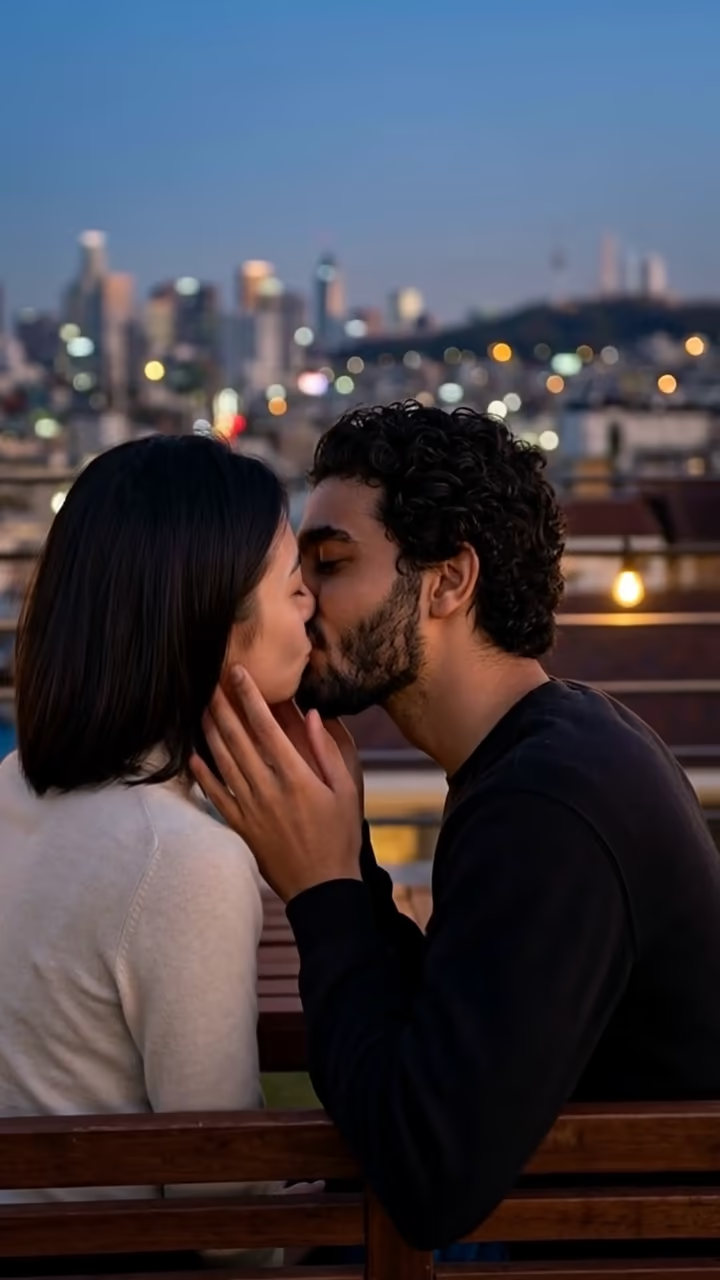
Kiss effects became one of the most shared AI video formats on TikTok and Instagram during 2024 and 2025, when image-to-video apps started offering one-tap "kiss" templates. Couples used them for anniversaries and long-distance relationships, and the format spread through reaction videos where people showed the result to their partner. Searches for terms like "ai kiss" and "kiss ai" have stayed high since, which is why this page exists as its own tool rather than a hidden option inside a generic video editor.
The result is a vertical clip sized for Stories, Reels and TikTok. Faces are kept as close to your photos as the model allows, and the example on this page was made from two AI-generated fictional people.
How the AI Kissing Generator works
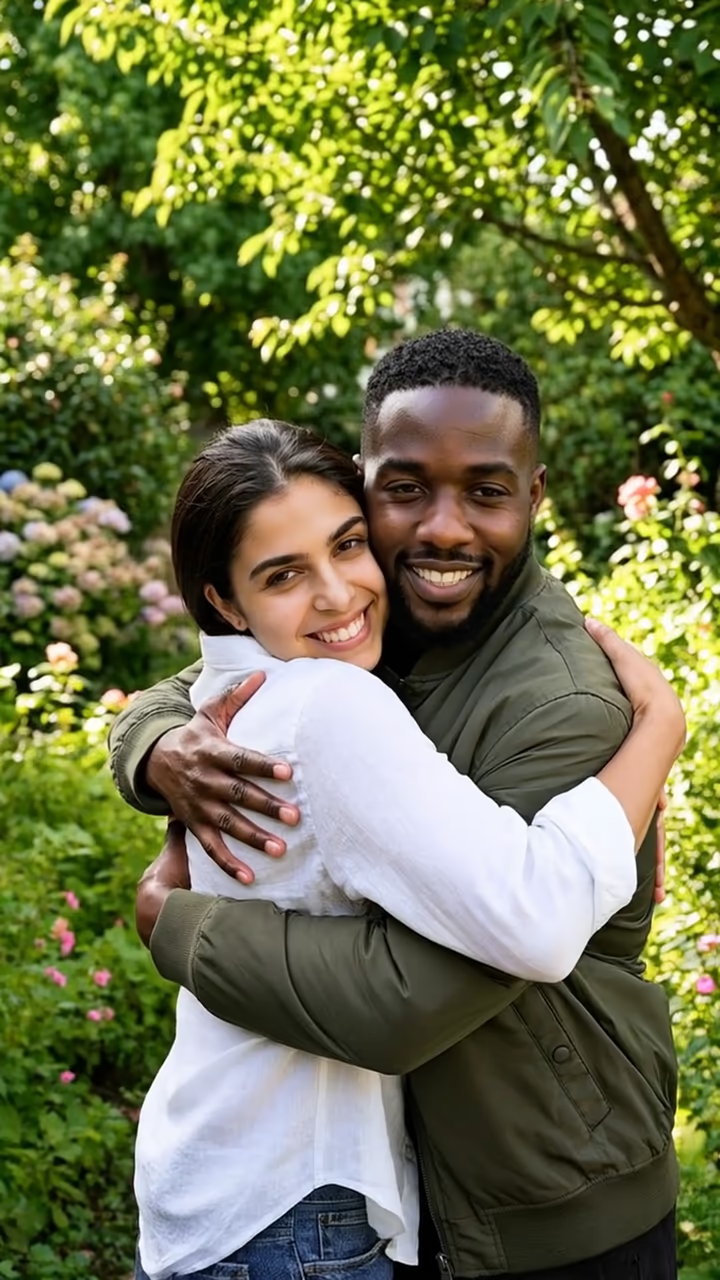
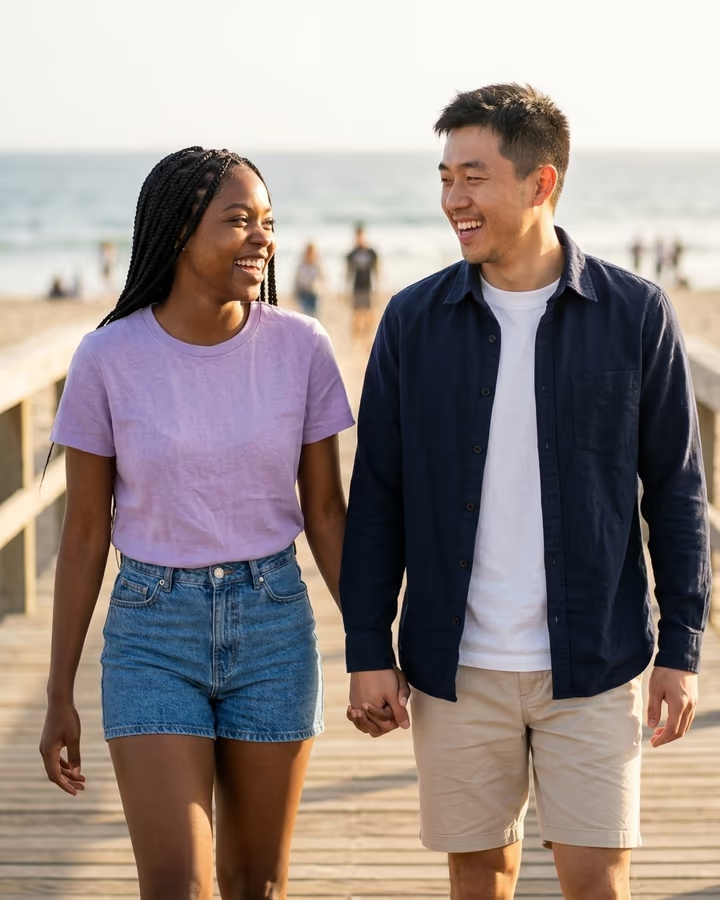
The run has two steps. First, an image model combines your two uploads into one vertical photo: both of you standing close together in a park at sunset, faces turned slightly toward each other with a small gap between you. Keeping both people in the same light and at the same scale is what makes the later motion look natural.
Second, a video model animates that frame for about six seconds. The instructions are fixed: lean in, close eyes, a gentle kiss on the lips, then a small pull back and a smile, with a slow camera push-in. Because the scene and motion are set by the template, you get a consistent result without writing anything. The finished MP4 lands in your Creations, ready to download.
Choosing the right two photos
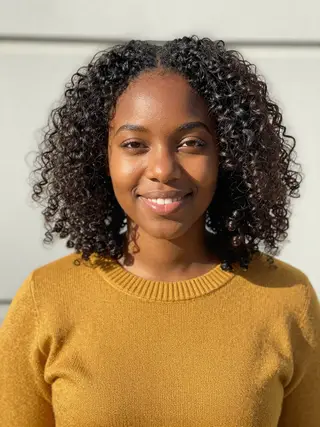
The model can only keep what it can see. A clear, well-lit photo of each face gives it the most to work with, and similar head sizes across both photos help the composite look like a real moment rather than two cutouts.
Recent selfies usually work better than heavily filtered ones, because beauty filters change face shape and the video model then has to guess. Photos taken in daylight or near a window are ideal. If one photo is much darker or blurrier than the other, the composite tends to look uneven. And because this is a romantic effect, both people must be adults who are fine with the video being made.